
Babies born significantly earlier than expected may require specialised neonatal care because their organs are still developing. Extremely premature babies can need support with breathing, feeding, temperature regulation, infection prevention, and other essential functions.
Care in a specialised neonatal intensive care environment focuses on maintaining stability while supporting gradual growth and development.
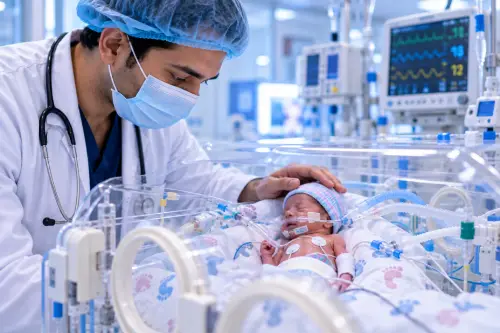
Premature birth occurs when a baby is born before completing the expected period of pregnancy. Babies born at very early gestations may have additional medical needs because their lungs, brain, digestive system, and immune system are still developing.
Extremely premature babies require close observation of breathing, heart rate, oxygen levels, temperature, nutrition, fluid balance, and growth. Treatment and monitoring are adjusted according to the baby's changing condition.
Neurodevelopmental care is an important part of managing extreme prematurity. The clinical team monitors developmental progress and provides guidance regarding follow-up assessments and early intervention when appropriate.
Families can receive guidance on developmental milestones and ways to support their baby's progress after discharge.
Having a baby in intensive care can be challenging for families. Clear explanations, regular updates, and involvement in the baby's care can help parents understand the treatment process and feel supported throughout the NICU journey.
Extreme premature gestation requires highly specialised neonatal care and close monitoring. Comprehensive respiratory, nutritional, developmental, and family-centered support helps provide a structured approach to the care of extremely premature babies.