Polycystic Ovary Syndrome (PCOS), also commonly referred to as PCOD, is a hormonal condition that can affect menstrual cycles, ovulation, metabolism, skin, and reproductive health. Symptoms and their severity can vary from one woman to another.
Early evaluation and personalised management can help address symptoms, support hormonal health, improve menstrual regularity, and manage concerns related to fertility and overall well-being.
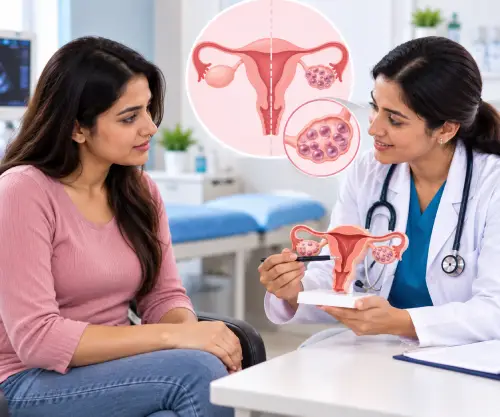
PCOS is a common hormonal and metabolic condition that may affect ovulation and menstrual cycles. Women with PCOS may experience irregular periods, acne, excess hair growth, weight changes, or difficulty conceiving. A proper medical assessment helps understand the individual symptoms and health needs.
PCOS can present differently in different women. Common symptoms may include irregular or infrequent periods, acne, excess facial or body hair, hair thinning, weight changes, and difficulty with ovulation or conception.
PCOS can affect ovulation and may sometimes make conception more difficult. Appropriate evaluation can help identify ovulation-related concerns and guide personalised treatment based on the woman's reproductive goals.
Healthy lifestyle habits are an important part of managing PCOS. Depending on individual needs, guidance may include balanced nutrition, regular physical activity, healthy weight management, adequate sleep, and stress management.
Ongoing follow-up helps monitor symptoms and overall health while allowing treatment to be adjusted when required.
PCOS requires an individualised approach because symptoms and health goals vary between women. Comprehensive evaluation, appropriate treatment, lifestyle guidance, and regular follow-up can help support menstrual, hormonal, metabolic, and reproductive health.