
Urinary tract obstruction occurs when the normal flow of urine from the kidneys to the outside of the body is partially or completely blocked. The obstruction may affect the kidneys, ureters, bladder, or urethra and can result from conditions such as kidney stones, urethral stricture, prostate enlargement, tumors, or other abnormalities of the urinary tract.
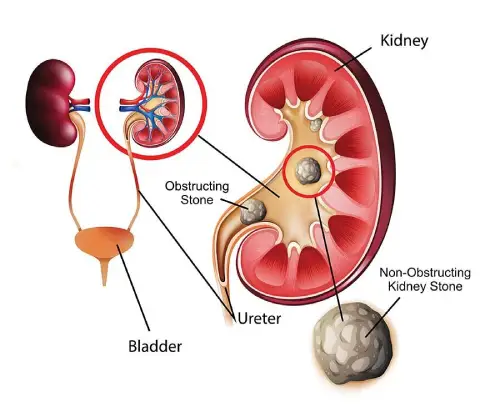
Urinary tract obstruction can interfere with the normal passage of urine and may occur at different levels of the urinary system. The obstruction may develop suddenly or gradually depending on its underlying cause.
If left untreated, significant or prolonged obstruction can affect urinary function and kidney health. Early evaluation is important to identify the cause and determine the appropriate treatment.
Symptoms depend on the location and severity of the obstruction. Patients may experience difficulty passing urine, weak urinary flow, frequent urination, urgency, incomplete bladder emptying, or reduced urine output.
Obstruction affecting the upper urinary tract may cause pain in the side or back, nausea, or other urinary symptoms. Fever or other signs of infection may occur when obstruction is associated with a urinary infection and require prompt medical attention.
Evaluation usually begins with a detailed medical history, physical examination, and assessment of urinary symptoms. Urine tests and blood investigations may be recommended to evaluate infection and kidney function.
Imaging investigations such as ultrasound, X-ray, CT scan, or other appropriate studies may be used to identify the location and possible cause of the obstruction. Cystoscopy or other specialized urological investigations may also be recommended when required.
Urinary obstruction can have several possible causes. Common causes include kidney or ureteric stones, enlarged prostate, urethral stricture, urinary tract tumors, blood clots, or structural abnormalities.
Identifying the underlying cause is essential because treatment is directed toward relieving the obstruction while addressing the condition responsible for it.
Treatment depends on the location, severity, duration, and cause of the obstruction. In some situations, immediate drainage of the urinary system may be required to protect kidney function and relieve pressure.
Depending on the underlying condition, treatment may include medication, catheterization, ureteral stent placement, nephrostomy, endoscopic procedures, stone removal, treatment of urethral stricture, prostate procedures, or other appropriate surgical interventions.
Modern urology offers several minimally invasive approaches for relieving urinary obstruction. Endoscopic procedures can allow treatment through the natural urinary passage, while laparoscopic or robotic-assisted procedures may be considered for selected conditions.
The most appropriate technique depends on the underlying cause, location of the obstruction, patient's anatomy, previous treatments, kidney function, and overall health.
Treatment focuses on restoring urine flow, relieving symptoms, protecting kidney function, and addressing the underlying cause. Important treatment goals may include:
Treatment recommendations depend on the location and severity of the obstruction, underlying cause, kidney function, medical history, and individual patient factors.
Every urinary tract obstruction requires an individualized treatment approach. The urologist considers the cause, location, severity, duration of obstruction, kidney function, symptoms, and overall health when planning treatment.
Depending on the condition, treatment may involve temporary drainage followed by definitive treatment, endoscopic procedures, minimally invasive surgery, medication, or other appropriate interventions.
Recovery depends on the cause of the obstruction and the type of treatment performed. Patients undergoing minimally invasive or endoscopic procedures may have a shorter recovery period, while more complex reconstructive or surgical procedures may require additional healing time.
Medication, adequate hydration when medically appropriate, catheter or stent care when required, appropriate physical activity, and scheduled follow-up are important parts of postoperative care.
Follow-up after treatment is important to ensure that urine is flowing properly and that the underlying condition has been adequately managed. Depending on the cause, follow-up may include urine tests, blood tests, ultrasound, CT imaging, uroflowmetry, cystoscopy, or other investigations.
Long-term monitoring may be recommended for conditions that can recur, such as urinary stones, urethral strictures, prostate disorders, or other causes of urinary obstruction.
Urinary tract obstruction is a condition that can interfere with the normal flow of urine and may affect urinary and kidney health. Accurate diagnosis is important to identify the location and underlying cause of the obstruction. Depending on the individual condition, treatment may include medication, urinary drainage, endoscopic procedures, minimally invasive surgery, or other appropriate interventions. With timely evaluation, individualized treatment planning, and regular follow-up, urinary obstruction can be effectively managed while supporting long-term urinary and kidney health.