Menopause is a natural stage of life that marks the end of menstrual periods and reproductive years. Hormonal changes during this transition can cause symptoms such as hot flashes, night sweats, mood changes, sleep difficulties, vaginal dryness, and changes in menstrual patterns.
Personalised menopause care focuses on understanding individual symptoms, health history, lifestyle, and long-term health needs. Appropriate guidance and treatment can help manage symptoms and support overall well-being during this stage of life.
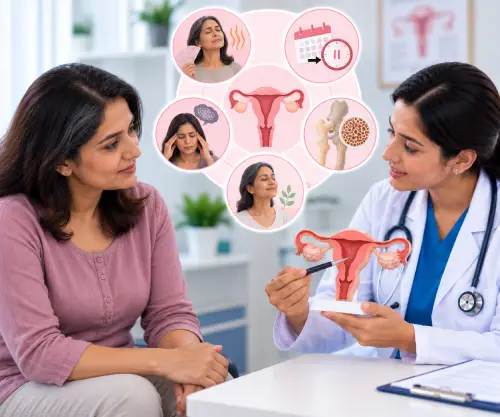
Menopause usually occurs as ovarian hormone production gradually changes. The transition, known as perimenopause, can begin several years before periods stop completely. Symptoms and their intensity can vary significantly between women.
Women may experience irregular periods, hot flashes, night sweats, mood changes, sleep disturbances, vaginal dryness, reduced sexual comfort, fatigue, or changes in concentration. Not every woman experiences the same symptoms.
Healthy lifestyle habits can support well-being during menopause. Depending on individual needs, guidance may include balanced nutrition, regular physical activity, adequate sleep, stress management, and maintaining healthy weight and bone health.
Regular health check-ups can also help monitor overall health and address age-related health concerns appropriately.
Treatment depends on the type and severity of symptoms, medical history, personal preferences, and individual health needs. Depending on the situation, management may include lifestyle measures, non-hormonal treatments, or hormone therapy when appropriate.
Regular follow-up helps assess symptom control and overall health so that the care plan can be adjusted when required.
Menopause is a natural transition, but its symptoms can affect daily life and overall well-being. Personalised menopause care provides professional guidance, symptom management, and ongoing support to help women navigate this stage of life with confidence and better health.